

9–12
Grades
Students worldwide
In partnership with
Beyond Space Technologies
Virtual Analog Astronaut Program
Winter 2026 · Applications open
High school students write a real experiment, sit Mission Control, and guide an analog astronaut inside a habitat — from anywhere on Earth.
9–12
Grades
Students worldwide
Winter
2026
This season’s mission
Live
Habitat ops
You run Mission Control
Online
From home
Join from anywhere
Not a space lecture
Most space programs teach students about exploration. This one asks them to operate one.
Students take a real mission objective: investigate a question, write the protocol, and guide an analog astronaut from Mission Control — even when the plan breaks.
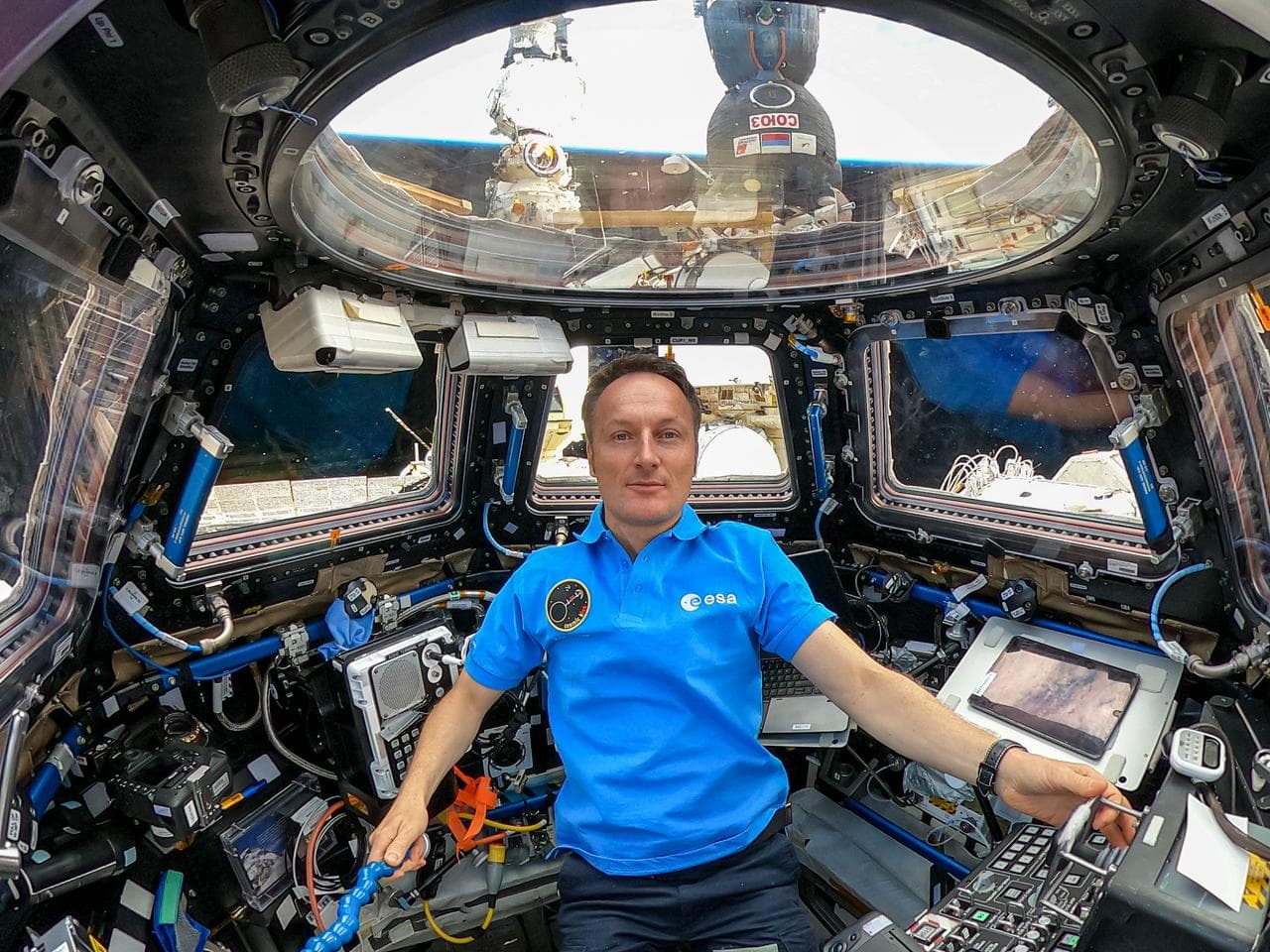
“By the end, students will not simply understand how a space mission works. They will have helped operate one.”
How it works
Train, write the protocol, fly it from Mission Control, then debrief.
Mission phase
Train for the mission
01
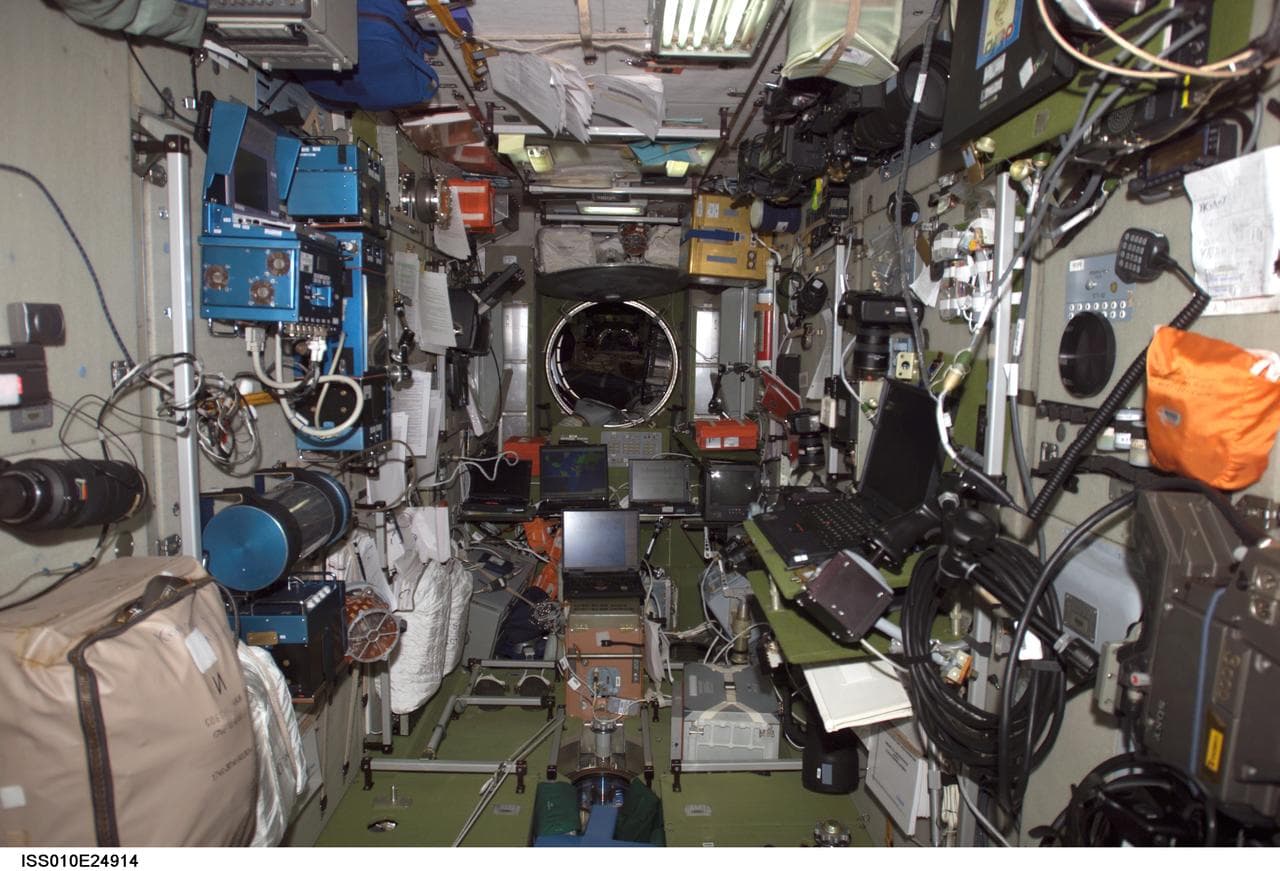
Learn how science and ops change inside a confined habitat — delays, resources, and human factors.
Habitat systems · experiment design · comms delay
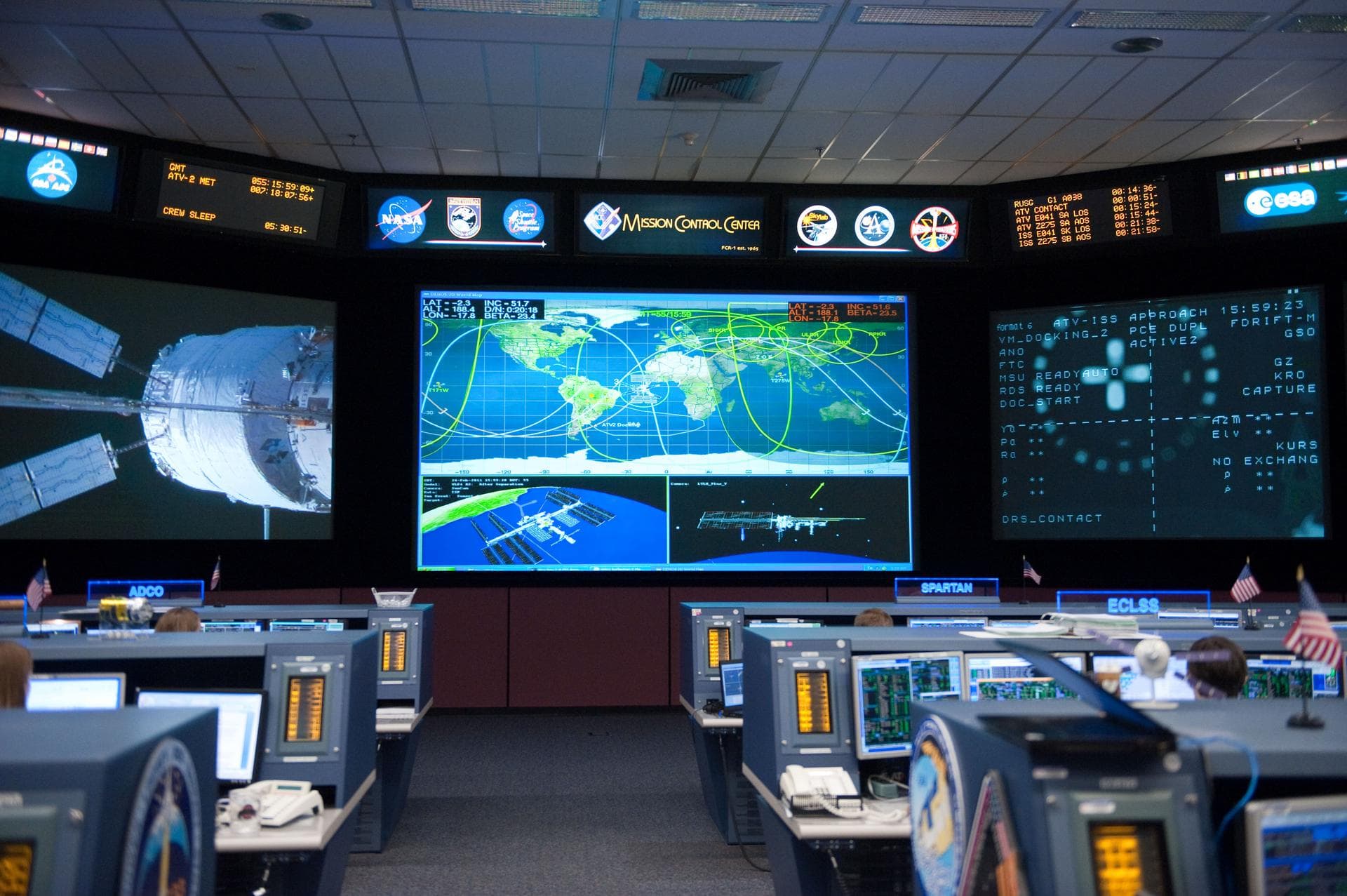
Mission Control
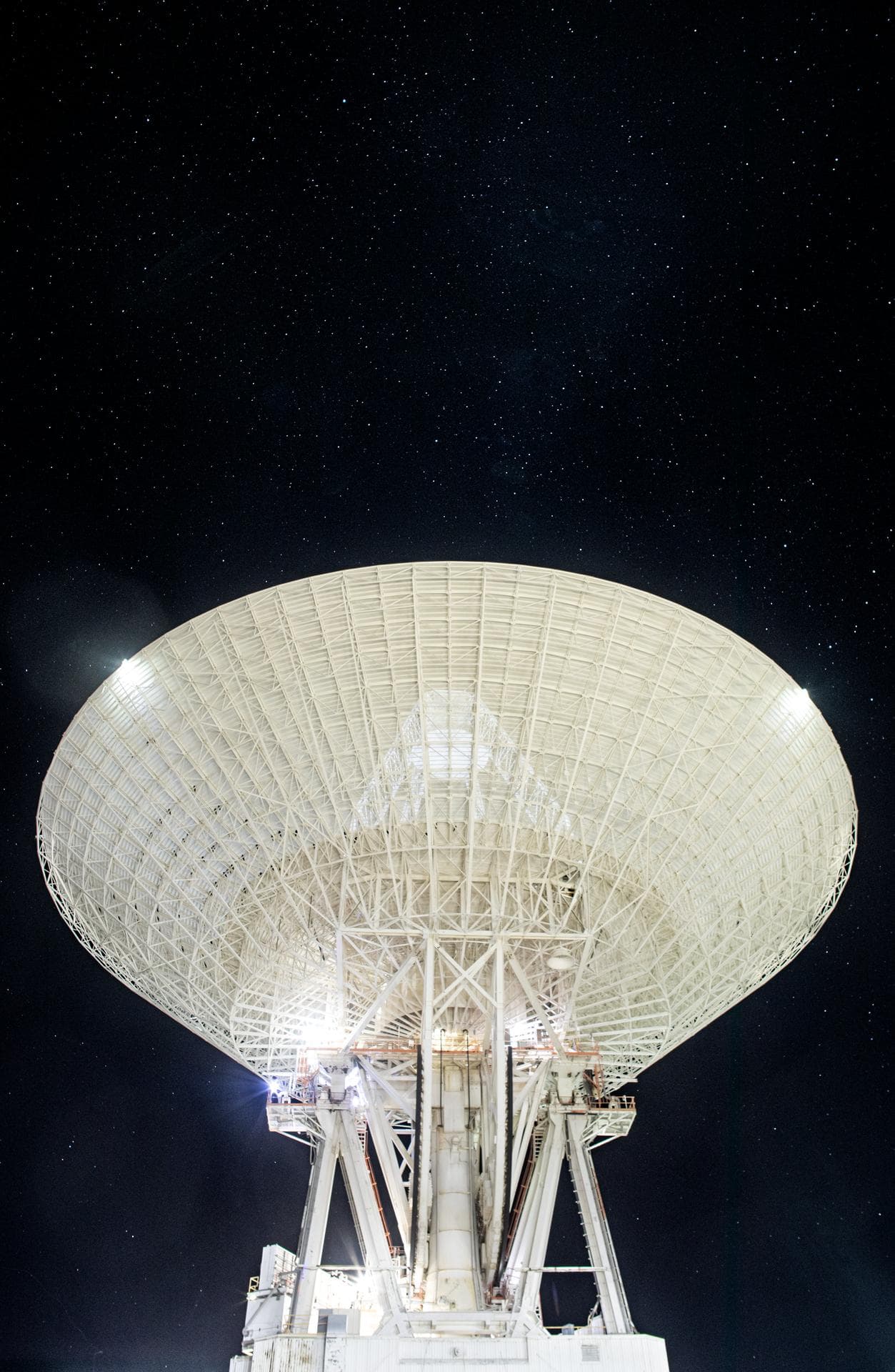
Every student sits a defined ops role. The mission depends on the whole room doing its job.
FLT
Timeline, coordination, and shift handovers.
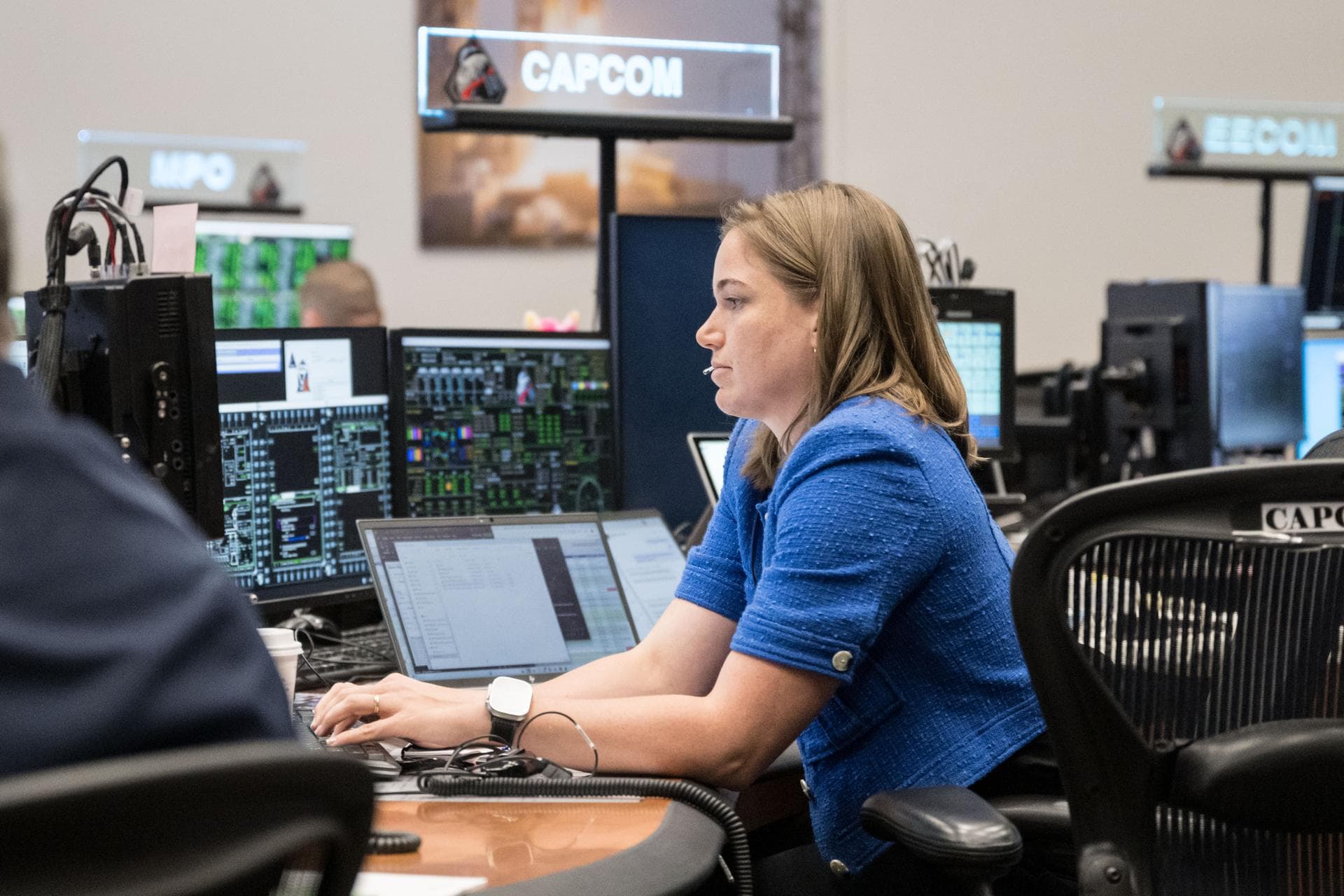
CAPCOM
The voice between Mission Control and the analog astronaut.
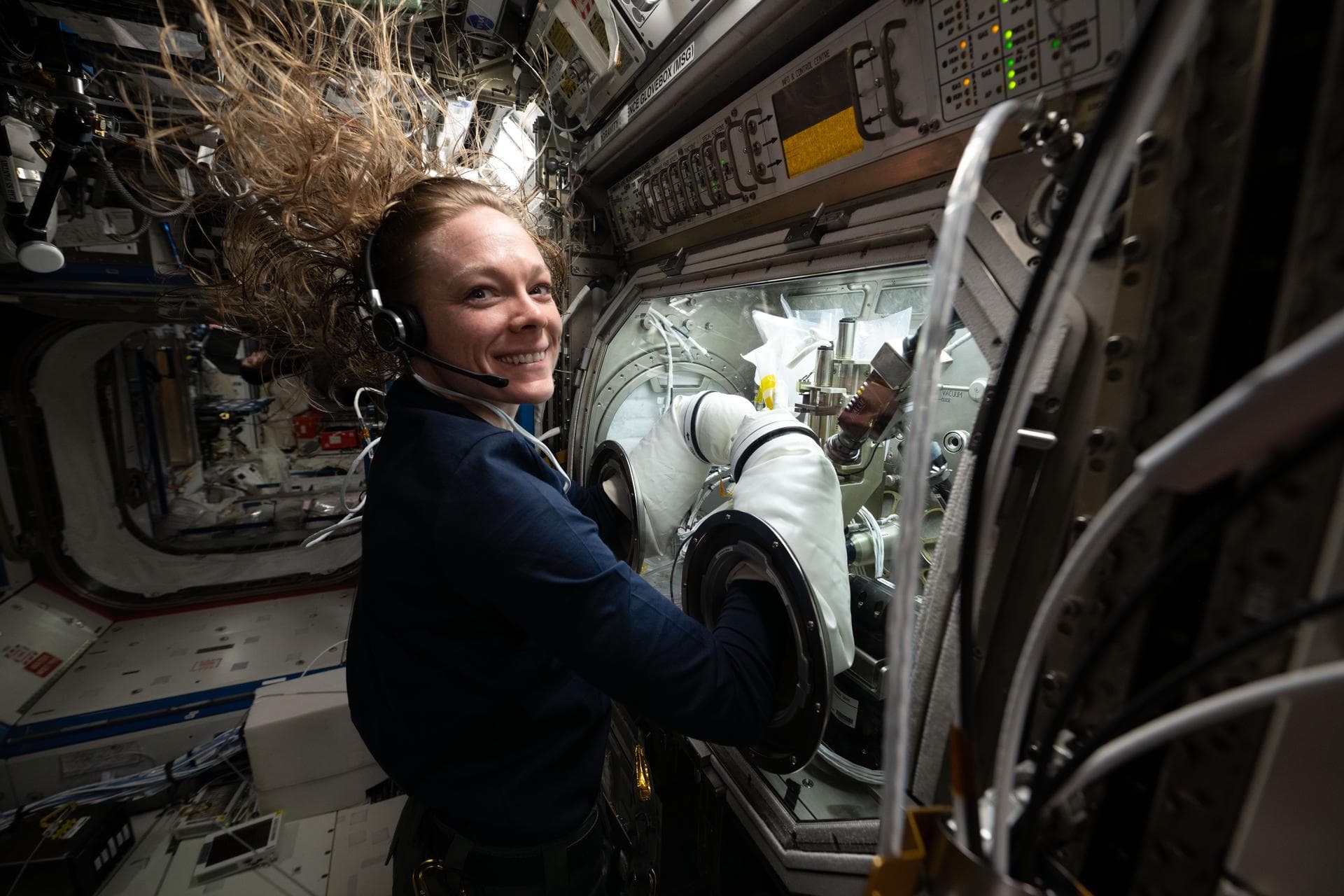
SCI
Watches execution and evaluates incoming science data.
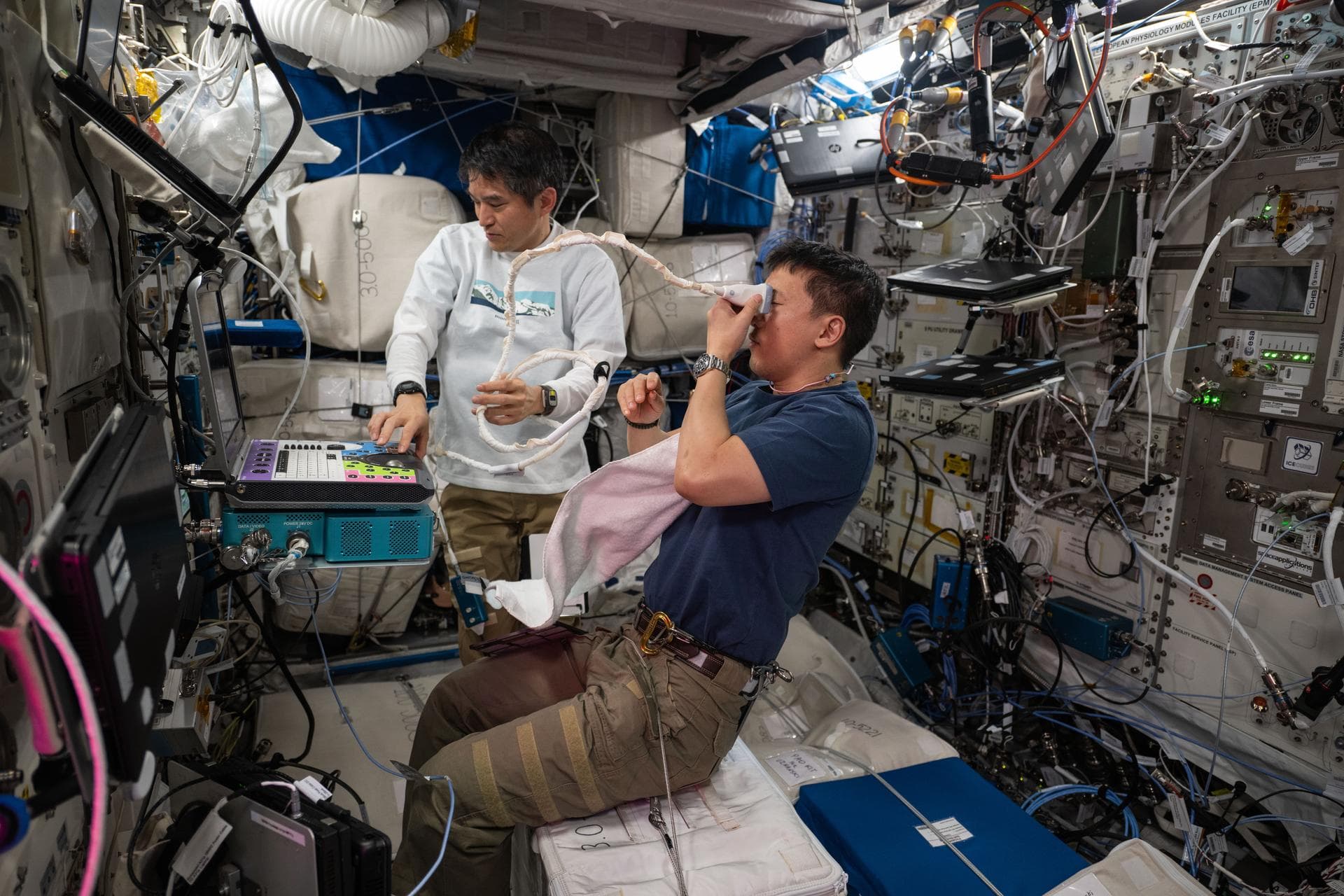
MED
Tracks health, stress, and cognitive performance.
GSH
Telemetry, signal, and mission data.


Outputs
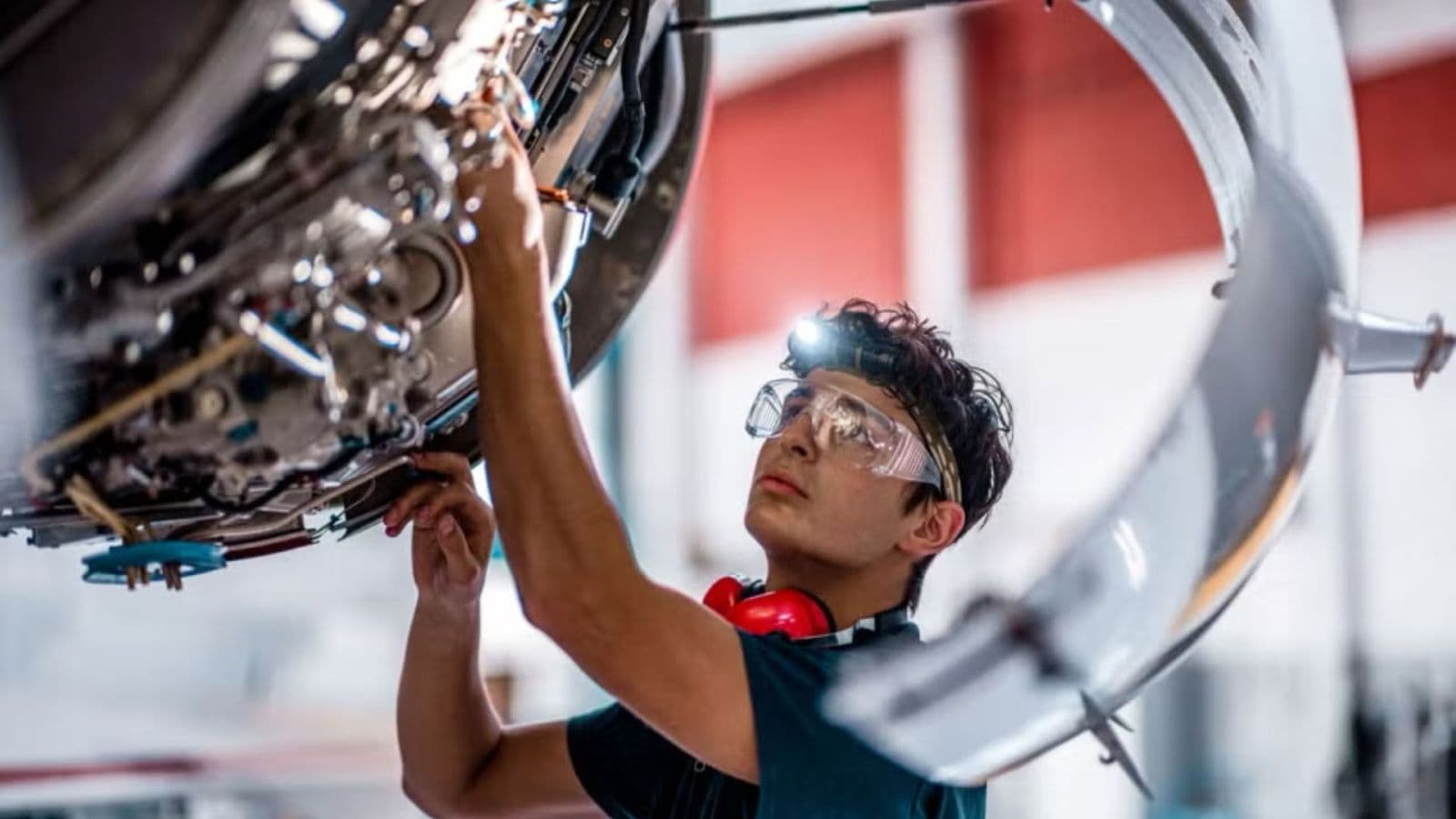
Working mission documents — not classroom worksheets. Artifacts a flight controller would recognize.
When the experiment leaves the screen
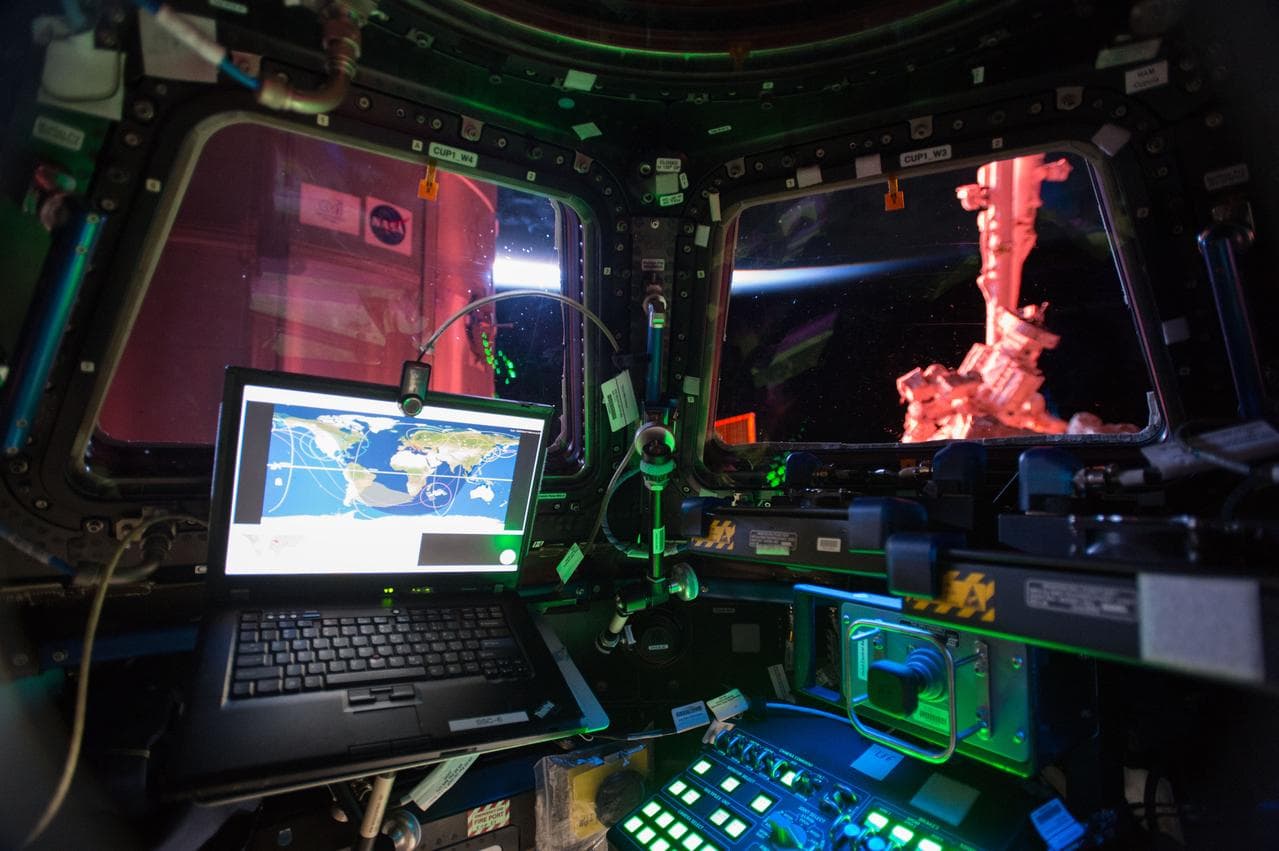
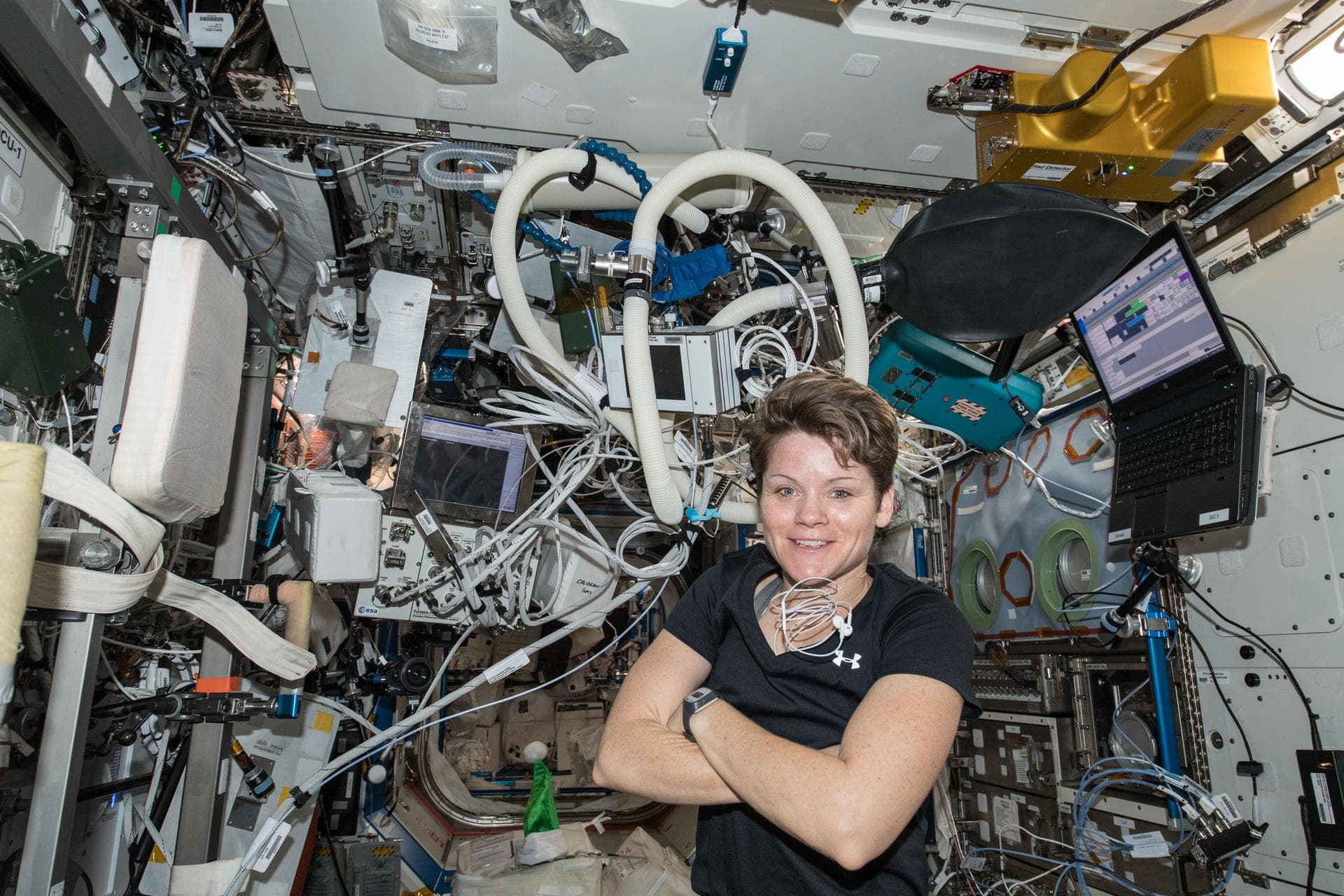
Once the analog astronaut enters the habitat, student Mission Control takes the loop. You get logs, images, and data — often with delay — and uplink when the procedure breaks.
5–20 min delay
Who should apply
Designed for curious, motivated students who want to explore how science and engineering are used in real mission environments.
Prior experience in space science is not required. Show up ready to contribute, collaborate, and own mission deadlines.
No prior space coursework required.
Skills you practise
01Experiment design
A testable question the analog astronaut can actually fly.
02Protocol writing
Turn research into steps another person can execute.
03Precise comms
Technical instructions CAPCOM can uplink without a lecture.
04Role teamwork
One seat, one job, one timeline — across Mission Control.
05Data analysis
Read logs, images, samples, and telemetry that return.
06Anomaly calls
Diagnose the break with incomplete information.
07Time pressure
Decide under delay, resource limits, and abort paths.
08Mission debrief
Stand up and present the flight the way ops would.
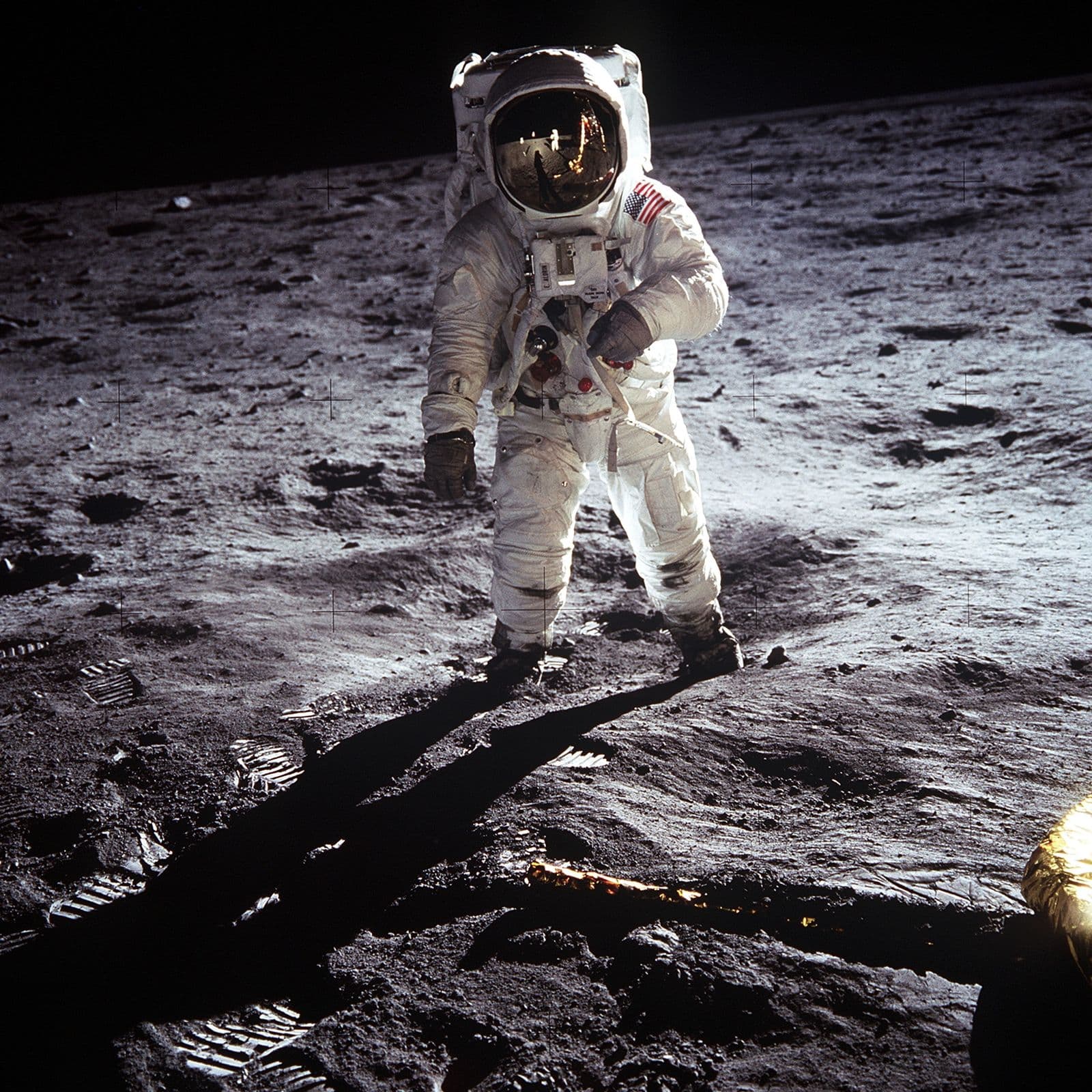
From idea to execution
Four connected phases take the experiment from a question to physical execution and a debrief.
Swipe to explore phases
01–04
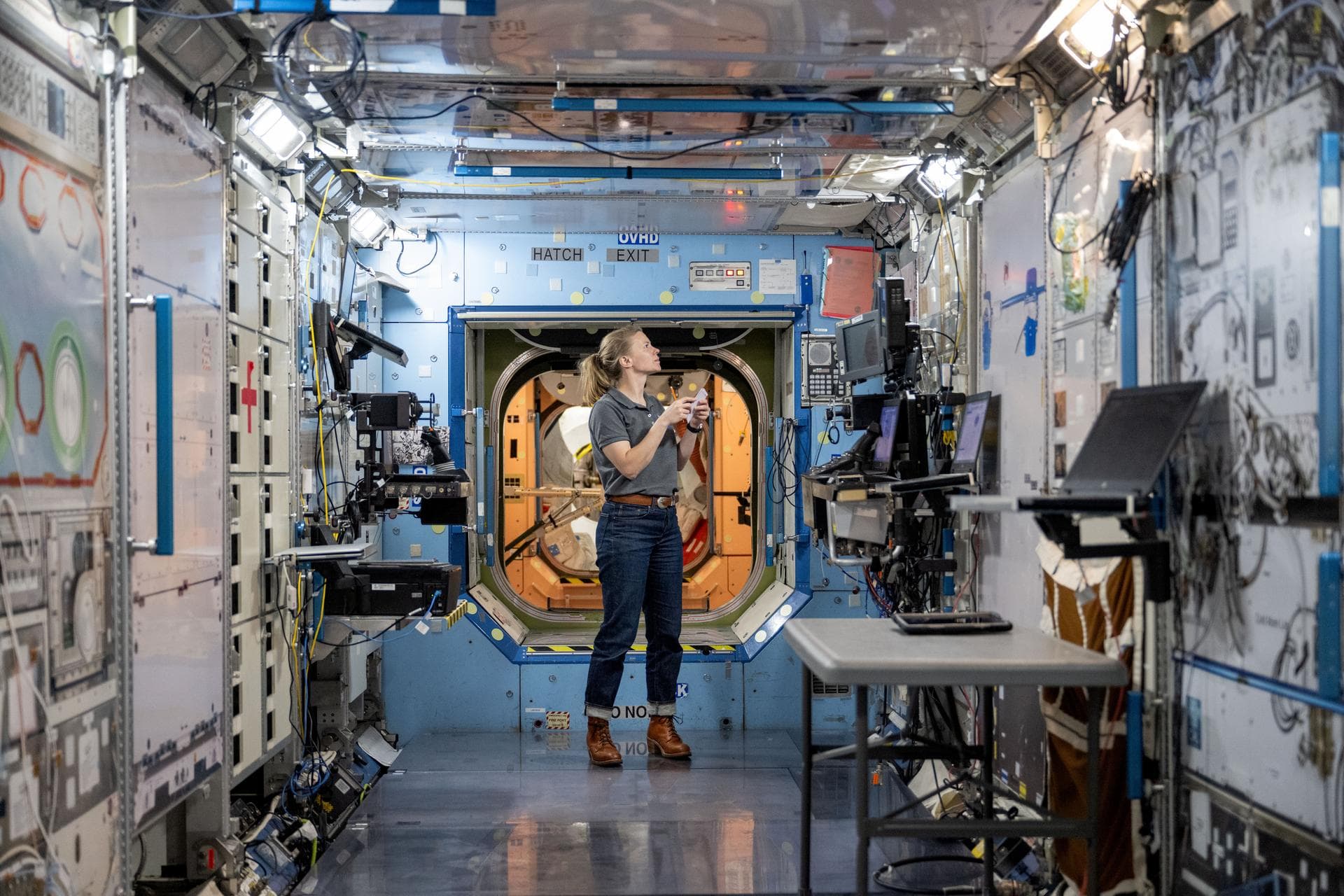
Analog ops, human factors, and how research changes inside a confined habitat.
Experiment concept
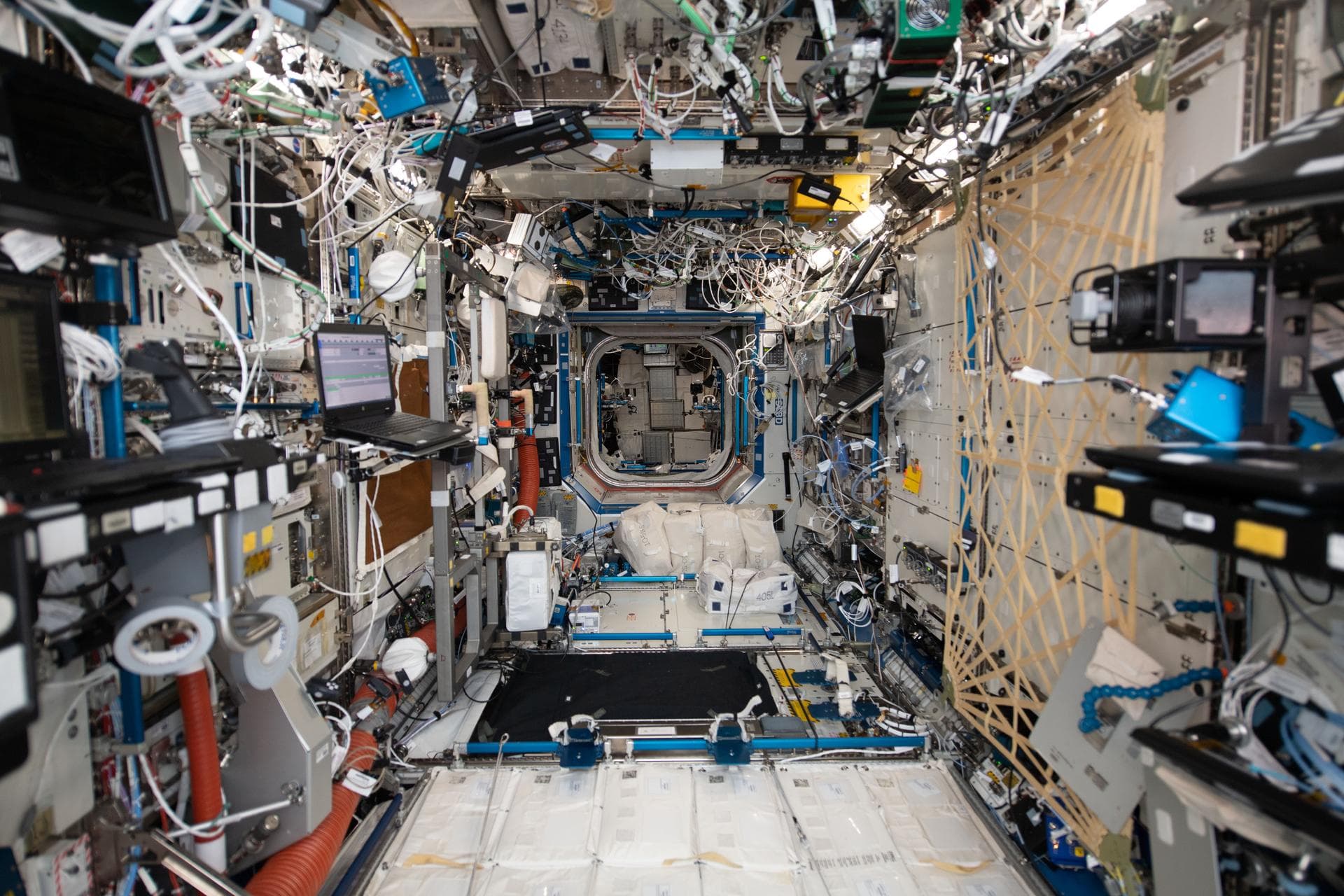
A proposal and a step-by-step protocol an analog astronaut can actually fly.
Astronaut-ready protocol
Take a seat. Guide the astronaut. Uplink when the procedure breaks.
Logs + observations
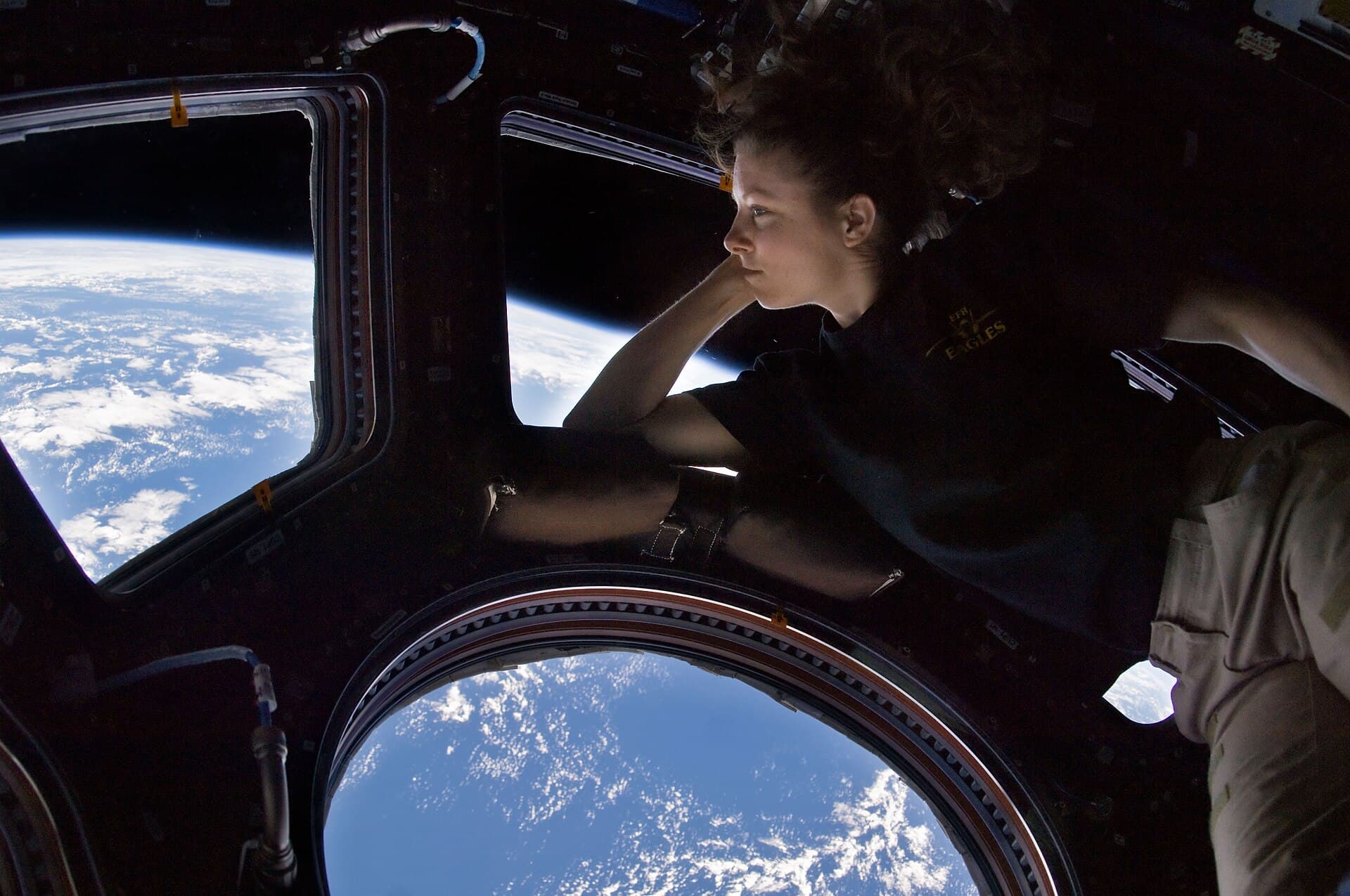
Read what returned. Present findings and how you’d fly it again.
Mission report
Analog ops, human factors, and how research changes inside a confined habitat.
Experiment concept
A proposal and a step-by-step protocol an analog astronaut can actually fly.
Astronaut-ready protocol
Take a seat. Guide the astronaut. Uplink when the procedure breaks.
Logs + observations
Read what returned. Present findings and how you’d fly it again.
Mission report
Outcomes
Students from the BuildUp ecosystem progress to globally respected universities through research-first preparation, rigorous mentorship, and project-backed profiles.

Harvard University

Duke University
NYU

University of Oxford

UCLA

University of Warwick

LSE

King’s College London

Brown University

Carnegie Mellon University

USC

UC Berkeley

University College London

NUS

London Business School
Certification
The mission is assessed the way ops is assessed — readiness before flight, performance on console, then a closeout debrief.
01/03
Before flight
Assessment of the experiment proposal, scientific rationale, and operational checklist before mission approval.
On console
Assessment of team performance during execution, communication, shift management, and anomaly resolution.
Closeout
Assessment of data analysis, conclusions, and recommendations following the mission.
Awarded
Mission credential
Virtual Analog Astronaut Program Certificate
Students who successfully complete the program and fulfil their assigned mission responsibilities receive a Virtual Analog Astronaut Program Certificate. Certificates may identify operational specialisation — Mission Specialist, Flight Controller, Science Officer, or Medical Officer.
Institutions represented
Schools and institutions represented across BuildUp programs worldwide. Join the mission and you are building alongside an ambitious group of peers.

Akshara International

Billabong High International
CNS Pune

Enko International Schools

Gems Modern Academy - Abu Dhabi

Indus Bangalore

International Academy

MIT Vishwashanti Gurukul

Mahindra United World College

Pathways World School

Pine View School
Riverside Academy - Qatar

Shri Ram School

TISB

Thomas Jefferson high School

Vidyagyan School

BD Somani
Bishops School Pune

Cygnus World School

Future Kids School Hyderabad

Heritage International School

Indus Pune

Kodaikanal International School

Mahindra International School

Oakridge International

Pestalozzi Education Center

Prudence School

San Mateo High School

Stonehill International School

The Doon School

Vidya Valley School

Woodstock School
Voices from past cohorts
BuildUp has worked with students worldwide across internships, research, and specialised labs. Here is what past students say.
Program details
Winter 2026 · Fully Online · Open to Students Worldwide
Tuition
$1,950
Mission dates
19 Dec 2026 – 9 Jan 2027
Duration
3 weeks
Time commitment
Live Mission Control ops during the window
Delivery
Fully Online
Student age group
Grades 9–12
Cohort size
Limited mission cohort
Application deadline
1 Dec 2026
Next step
Apply for the Winter 2026 cohort · $1,950
Partnership
Together, BuildUp Global and Beyond Space Technologies are making a complex mission environment accessible to students around the world.

BuildUp Global creates immersive career and industry experiences for school students. Through partnerships with companies, researchers and domain experts, students move beyond passive learning to work on structured, real-world projects with tangible outcomes. BuildUp programs have engaged students from more than 129 nationalities across internships, research experiences, career simulations and specialised industry labs.
Beyond Space Technologies develops research-led learning and mission experiences across space science, engineering and human spaceflight. Its analog mission environment allows participants to explore the scientific, operational and human challenges involved in conducting research under simulated space conditions.

Applications open
Spaceflight will belong to people who can pair scientific curiosity with operational discipline. This winter, fly an analog mission from home — not a lecture about one.
Winter 2026 applications are open to students worldwide.
01
Design the experiment
A protocol an astronaut can execute.
02
Join Mission Control
Take a seat. Run the timeline.
03
Direct the astronaut
Uplink when the plan breaks.
04
Analyse what returns
Debrief like a flight team.
